Search articles by title

Filter articles by category

This is some text inside of a div block.
Showing 0 results
of 0 items.
highlight
Reset
Pop Culture

How Survivor Became Gay Sports

4
min. read

For decades, heterosexual America has held an unfair monopoly over drunkenly yelling at bar televisions. 

This conceit is something generally understood as “sports,” occurring primarily at the “sports bar” — familiar constructs, to be sure, but not particularly known for their embrace of the queer community. If anything, many of these spaces and their offshoots (see: gym class, varsity games, masculinity overall) can catalyze a young queer person’s sense of exclusion and otherness. An inability to discuss “the big game” or, worse, the perceived social obligation to care about said big game when you’d much rather be talking about the Born This Way music video run is a common ground many of us share when we look back on our adolescences, that horrible period of discovering you might be different.

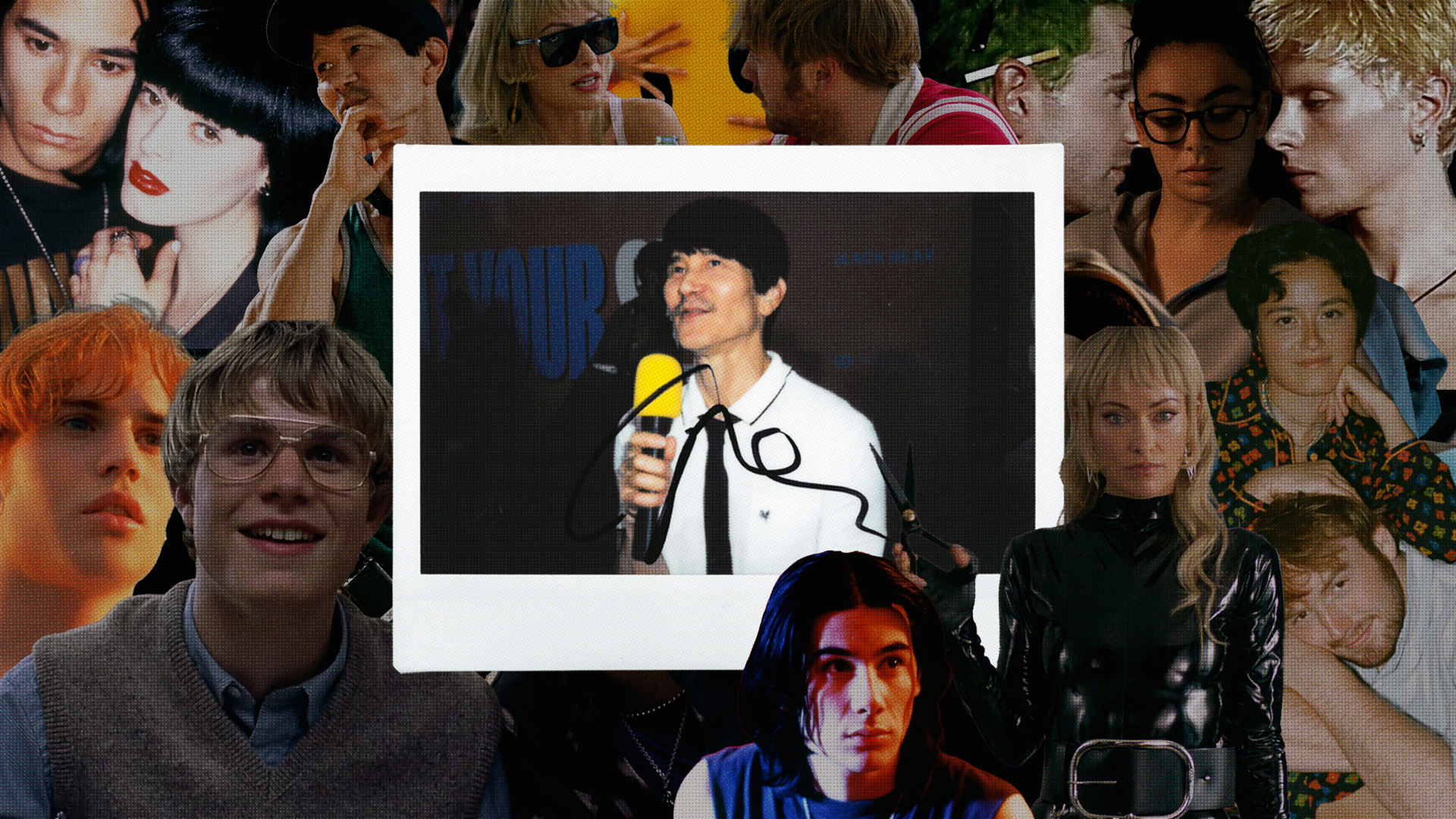
The past few years, though, have shown some remarkable developments in the queer community’s reclamation of this space, with a central force that might look unlikely on paper: CBS’s pioneering reality juggernaut Survivor.

Since the show’s quarantine-era resurgence, during which many people (myself included) voraciously speedran the show’s then-forty seasons, it has ignited a cultural frenzy not seen since its early days, when families nationwide gathered weekly to watch a nefarious, nude gay man terrorize his castmates, winning $1M for doing so. But this time around, people aren’t watching at home; they’re hitting the bars.

Neil McNeil, who hosts a hugely popular watch party at Los Angeles gay sports bar Hi Tops Los Feliz, was a barback when he first heard of plans to play the show back in 2024. That was at the beginning of season 46, well into the show’s post-2020 “new era.”

“This is going to be major,” McNeil remembers thinking when management mentioned customers’ email requests to play the show. This sort of communal viewing was hardly new for the bar — Drag Race viewing parties had been a mainstay since its 2023 opening, as were traditional sports — but Survivor fans are a different breed. He had the idea of hiding an “idol” in the bar, mimicking the show’s iconic Hidden Immunity Idol mechanic where players can find producer-planted trinkets and play them to spare themselves. The Hi Tops iteration of the idol would net its finder a free shot.

“Just trust me on this,” he’d told management.

Someone found that idol early in the night, and most everyone thought nothing of it. And then something exciting happened: “The next week, people started showing up [asking] ‘is the idol hidden yet?’” shares McNeil, who took this as an opportunity to swing for the fences, spinning this interactive component into a weekly idol hunt, puzzle competitions mimicking the show’s challenges, and eventually, a fantasy league which now spans both the bar’s Los Feliz location and its original West Hollywood spot.

“The people who watch Survivor take that shit seriously,” says Michael Swan, who hosts the West Hollywood parties. “They’re debating strategy in the commercial breaks.” 

Swan and McNeil share the sentiment that Survivor is a markedly different experience from the Drag Race watch party, the clearest “gay sports” forebearer. Where those parties are largely a passive experience, a formalized pregame ahead of a Friday night outing, Survivor is a uniquely active one, a dynamic McNeil attributes to the fact that “anything could change at the drop of a hat” in the game. (Judging by season 50’s chaos thus far, he’s absolutely right.)

If you’re wondering what it is about this show specifically that captivates queer audiences, you’re not alone. Even host Jeff Probst is confounded by this, per a reported exchange cut from season 48 in which he appears baffled at any connection between the show and gay culture.

Everyone I spoke with for this piece also didn’t have a firm answer, though some trends generally emerged: its grand characters, especially its divas; the high drama, which some might dub camp; hot, muscular men barely clothed on the beach.

“I always think about the quote from Unbreakable Kimmy Schmidt where Titus says, ‘That was all smoke and mirrors, Kimmy, two things gay men love,’” offers Sam Stanish, who cohosts the Bitter Jurors podcast and produces the Fruity Island watch party in Brooklyn

“The show gives itself over to queer sensibilities because the women on the show are either iconic…or invisible. Only a gay person would look at somebody with zero confessionals and be like, she’s my favorite contestant of all time,” he adds, alluding to Kelly Shinn’s infamous “purple” edit on the Nicaragua season. “You can’t have Star Updates [a popular Twitter account dedicated to season 48’s underedited Star Toomey] if it’s a straight fanbase.”

Past the divas — which Survivor boasts in spades — there is also a more elemental appeal at play here. Declan Zhang, who (fittingly) hosts the podcast Gay Sports, identifies this as such: “A lot of us have had the experience, before we were around a lot of other gay people, of having to monitor ourselves and learn how to present the right version of ourselves, to be palatable and work our way to the top of a social hierarchy.”

It’s a sentiment I heard some variation on from everyone I spoke to: there’s an undeniable parallel between the performances we have to do as queer people and the performative elements of Survivor. McNeil named the “alliances” he built with the popular girls in grade school as a touchpoint for the show’s alliance structure. Swan leaned on the show’s emphasis on community and outsiders, especially given the show’s early penchant for casting macho men who were often outright homophobic or transphobic.

Not that Survivor is some weepy, trite affair (although season 50’s nostalgic tearjerker opening montage might suggest as such). Rather, it’s a show that encourages the sort of investment we see from sports fans, so that all the backstabbing and manipulating feels like it matters.

“I turn into a bit of a bro during challenges,” says Zhang. “My beer is sloshing around in my hand, and I’m cheering and yelling at the screen. It’s awesome.”

They're not the only one. All across the bar, so is everyone else.

Pop Culture

The 10 Most Important Gay Moments in Oscar History

4
min. read

After several years of increasingly gay Oscar ceremonies thanks to the likes of Colman Domingo, Cynthia Erivo, and *winces* Karla Sofia Gascon, the 2026 Academy Awards are poised to be a blandly heterosexual affair. Of the 200+ nominees this year, only a handful are openly queer, with no LGBTQ+ actors nominated (that we know of at least). The three notable queer nominees are Mark Sonnenblick, one of the “Golden” songwriters, and the directors of the documentaries Come See Me in the Good Light and Mr. Nobody Against Putin.

But just because the class of 2026 doesn’t include many Grindr users (although you never know who is lurking behind those black squares), it doesn’t mean that the Academy Awards don’t boast a long queer history full of highs, lows, and gay cowboys boning in the wilderness. So ahead of the 2026 Oscars, let’s take a look back at 10 defining gay moments in the history of the Academy Awards. 

1931 — Marlene Dietrich dresses as a man and kisses a woman in Morocco

While the Hays Code, a strict moral standard that outlawed homosexuality on screen, made sure gay moments at the Oscars were forbidden from 1934 to 1968, Marlene Dietrich caused a stir when she donned a tuxedo and kissed a female patron as a nightclub singer in Morocco. Dietrich, who was bisexual in real life and had frequent affairs with men and women, was nominated for Best Actress at the 4th Academy Awards.

1970 — Midnight Cowboy becomes the first film with gay themes to win Best Picture

Shortly after the Hays Code was disbanded, Midnight Cowboy, a film about a male prostitute (Jon Voight) and his pimp (Dustin Hoffman) hustling on the streets of New York won win Best Picture, despite having gay sex portrayed on screen. Midnight Cowboy was eventually followed by The Silence of the Lambs (1992), American Beauty (2000), Moonlight (2017), and Everything Everywhere All at Once (2023) as Best Picture winners with queer plots (although not all handled the subject with the same delicacy). 

1973 — Paul Winfield becomes the first openly gay nominee in an acting category

Definitively labeling firsts in Oscar history is a bit tricky given the various degrees of “out” that exist in the film world. Until the 2000s, most queer people in Hollywood didn’t make public announcements about their sexuality, even if they were out within the industry or in longterm homosexual relationships. This was the case with Paul Winfield, who was nominated for Best Actor for his performance in Sounder. Winfield lived with Cicely Tyson in the early ‘70s, leading many to believe they were romantically involved when he was actually out and dating his life partner. 

1986 — William Hurt wins an Oscar for playing a queer role in Kiss of the Spider Woman

While Hurt’s win for playing a gay man in the non-musical version of this story about two men in a Brazilian prison seemed progressive at the time, in the years since, LGBTQ+ actors have bristled at how many straight actors have been heralded as brave and given awards for playing queer roles. Tom Hanks, Hilary Swank, Nicole Kidman, Sean Penn, Jared Leto, and Rami Malek would all benefit from this trend while queer actors remained on the sidelines. 

1992 - Howard Ashman wins a posthumous Oscar after dying from AIDS

Disney lyricist Howard Ashman died in 1991 after battling AIDS for several years. He was nominated for four Oscars posthumously, including for “Beauty and the Beast” in Best Original Song. His partner, Bill Lauch accepted the Oscar on his behalf, calling attention to the AIDS crisis in his moving speech.

1993 - Jaye Davidson becomes the first openly queer actor nominated for a queer role

While numerous straight actors have received nominations for playing gay, Davidson became the first openly queer actor to be nominated for a queer role, playing a transgender character in The Crying Game. Only five other openly LGBTQ+ actors have been nominated for playing queer roles since: Ian McKellan in Gods & Monsters (1999), Stephanie Hsu in Everything Everywhere All at Once (2023), Jodie Foster in Nyad (2024), Colman Domingo in Rustin (2024), and Karla Sofia Gascon in Emilia Perez (2025). 

2005 - Brokeback Mountain nearly wins Best Picture

While Brokeback Mountain ultimately lost the Best Picture Oscar to Crash in one of the Academy’s most notorious snubs, the gay love story about two Wyoming cowboys racked up eight nominations and three wins for Best Director, Adapted Screenplay, and Score. The film would pave the way for dozens of gay Best Picture nominees, including Milk, The Kids Are Alright, Call Me By Your Name, and Tar

2017 - Moonlight named Best Picture after envelope mix-up

Twelve years after Brokeback Mountain, Moonlight, a gay coming-of-age story, won Best Picture in historic fashion. The presenters initially misread the envelope, calling La La Land as the winner. It was only after the musical’s team had taken the stage and delivered speaches that the error was discovered, leading to the now infamous, “There’s been a mistake. Moonlight. You guys won Best Picture.”

2022 - Ariana DeBose becomes the first openly queer woman of color to win an acting Oscar

The Academy’s history of queer winners is short, and so is their history with winners of color. When combined, that list contains just a handful of names, including Ariana DeBose, who won Best Supporting Actress for West Side Story. Other queer winners of color include Wicked’s costume designer Paul Tazewell and Moonlight’s playwright Tarell Alvin McCraney.

2025 - Karla Sofia Gascon becomes the first transgender acting nominee

While much of the progress gained by Emilia Perez was ultimately undermined by a scandal involving Gascon’s barrage of controversial tweets, the actress did become the first transgender acting nominee in Oscar history. As trans actors like MJ Rodriguez, Hunter Schafer, and Elliot Page continue to push the industry forward, hopefully, we’ll get our first transgender Oscar winner before long.

Grindr For Equality

Asia's Marriage Equality Movement Is Gaining Momentum

From Bangkok to Tokyo, advocates across 13 countries are building the legal strategies, coalitions, and stories that could bring marriage equality to more of Asia.
4
min. read

Across Asia, the movement for marriage equality is entering a new phase.

For decades, advocates fought for legal recognition of same-sex couples through constitutional challenges, hostile referendums, and grinding legislative campaigns. Three countries have now won that fight — Taiwan, Thailand, and Nepal. Their victories have energized activists across the region.

Last month, that momentum came into focus through two gatherings highlighting both the strategy and human stories driving the movement: a regional strategy meeting in Bangkok and a Valentine’s Day event in Tokyo.

Charting the Path Forward for Marriage Equality in Asia

Last month, Grindr for Equality partners Freedom to Marry Global and APCOM, convened the 2026 Asia Regional Marriage Equality Strategy Meeting in Bangkok. More than 50 advocates traveled from Bhutan, Hong Kong, Japan, Mongolia, Nepal, the Philippines, Singapore, South Korea, Taiwan, Thailand, and Vietnam.

The presence of three marriage equality countries in Asia has fundamentally changed the conversation. Victories in Taiwan, Thailand and Nepal offer proof that fights for equality can succeed in Asian societies, and across the region, progress is mounting. 

In the past two years:

  • More than 26,000 same-sex couples have been married in Thailand since equality was achieved in early 2025
  • Five of six Japanese High Courts ruled that marriage inequality is unconstitutional.
  • Vietnam recorded 63% public support for same-sex marriage.
  • South Korea included same-sex couples in its national census.
  • The Philippine Supreme Court ruled that same-sex couples can legally co-own property

None of these developments happened by accident.

For three days in Bangkok, advocates shared legal strategies, campaign tactics, and lessons learned from their own countries. Many organize in environments where openly advocating for LGBTQ+ rights carries risk or where nationalist and opaque political systems add pressure.

Yet breaking down the steps help demystify the process: recruit volunteers, find families willing to share their stories, build coalitions of lawyers and civil society organizations, identify political allies and map pathways to change.

As Freedom to Marry Global campaign strategist Cameron Tolle told the room: "If we don't chart the path to winning, then who will?"

One moment captured the spirit of the movement. During a fundraising session, participants were asked to call someone in their lives who could be a potential donor. One advocate called their grandmother, a relationship that has been strained since they came out. She not only agreed to donate but promised to spread the word in her rural hometown. The room erupted in tears.

Japan: A Movement at a Turning Point

Japan is at a critical juncture. Five of six regional High Courts have ruled the country’s same-sex marriage ban unconstitutional, but the Tokyo High Court ruled the opposite in November 2025, creating tension ahead of a Supreme Court decision expected within the next year. At the same time, Prime Minister Sanae Takaichi, elected in October 2025, opposes same-sex marriage and leads a government in which conservative nationalist sentiment is rising. 

Yet public support for marriage equality in Japan sits at around 70%. The gap between public opinion and the law remains enormous. Closing it will require not only litigation but a mobilized community unwilling to let the issue fade from the political agenda.

On February 14, Marriage for All Japan marked the seventh anniversary of its first affiliated marriage equality lawsuit with a Valentine’s Day event at Aisotope Lounge in Shinjuku Ni-chome, Tokyo’s LGBTQ+ district. The event premiered two documentaries produced with Grindr for Equality’s support: We Visited Countries Where Same-Sex Marriage Is Legal!

The films were designed to make marriage feel personal rather than abstract, showing how couples in Thailand and Taiwan are already building married lives and inspiring Japanese gay/bi men to imagine the possibility for themselves. 

After the screenings, Japanese Hiroya and his Taiwanese husband Daniel, gogo performers who married in Taiwan last year, described the reality of living in Japan where their marriage is not recognized: immigration complications, expired notarized documents, and a hospital that turned Hiroya away during Daniel’s medical emergency. Asked what marriage means to him, Daniel answered simply: “Legal validation of love across borders.”

About 80% of attendees reported feeling a strong personal connection with the couples featured in the films. Several were visibly moved to tears. 

As one couple featured in the Taiwan documentary put it: “Marriage is the beginning of a happy story.” For Japan’s LGBTQ+ community, that beginning is still being fought for — and gatherings like this help keep the fight alive.

Grindr: From Connection to Commitment

Spending time with these communities is a reminder that long before laws change, movements are sustained by people caring for one another and refusing to give up. 

As the world’s largest platform for gay, bi, trans and queer people, Grindr believes the freedom to connect must be matched by the freedom to build a life together under the law.

That is why Grindr for Equality supports organizations like Freedom to Marry Global and Marriage for All Japan, helping build the legal strategies, peer networks and cultural momentum needed to expand marriage equality across Asia.

Marriage equality is about far more than two people coming together. When same-sex couples are recognized under the law, it opens space for LGBTQ+ people to live more fully in society — shaping adoption rights, healthcare access, immigration protections and the simple dignity of being recognized as a family.

With three countries already recognizing marriage equality, the question is no longer whether change can happen in Asia. The question is how quickly that momentum will spread.

From Bangkok to Tokyo, advocates across 13 countries are building the legal strategies, coalitions, and stories that could bring marriage equality to more of Asia.
Engineering

Claude Can’t See Xcode Previews — Here’s How We Fixed It

6
min. read

Problem

Claude cannot see Xcode Previews, so it ends up building SwiftUI components completely blind.

Why This Matters

When Xcode Previews were introduced, they changed how we build UI. Instead of recompiling the app, launching a simulator, navigating to a screen, and waiting just to validate a spacing tweak, developers could iterate instantly. That feedback loop saved hours of wasted time.

Although Apple is pushing Xcode to be more agentic and they just released Xcode MCP Tools our workflow at Grindr is increasingly CLI-first. Many of our iOS engineers can go an entire week without opening Xcode. Therefore, we want to build solutions that prioritize agents and CLI-first coding practices instead of forcing our developers to open Xcode.

So we came back to the original question:

How can we give Claude access to “Previews” without ever opening Xcode?

Solution

We wanted to emulate the preview experience for Claude. This meant our requirements were:

  1. Very quick builds:
    1. One of Preview's greatest benefits is hot reloading, allowing developers to iterate on views extremely quickly
  2. No Navigation
    1. We want only our view/component to show up. There is no need to navigate around the app to find your component

The idea we came up with was to build an app target on the fly based on the View's import statements. So a view such as this:

has two internal dependencies GrindrComponents and GrindrImages.  it has one external dependency SwiftUI. Therefore, we should be able to build a new app target with those 3 dependencies,  put our view in the ContentView, and then display it in a simulator. This should give us our two requirements:

  • Very quick builds: Building a bare minimum app with only the required dependencies will give us far quicker builds than our monolithic app would
  • No need to navigate: Since our view will be the thing in ContentView, there is no need to navigate around the app to find our component

Here is what we built. We added a new cli script called "preview <path-to-file>". The CLI script does the following:

  • Locates our file
  • Grabs all the imports
  • Uses Xcodegen to build a target on the fly
  • Renames your view's struct to match the template's entry point via regex and drops it into the
    template project
  • Launches the app on a simulator

All the developer has to do is type ./grind preview /components/MyComponent.swift or ask Claude to "show a preview for that view we are building"

Simulator Screenshot - iPhone 14 Pro - 2026-02-25 at 14.12.04.png

Compromises

You might be wondering, "but what if my View requires a ViewModel or observable object?". This is one of the tradeoffs we made for our preview command. Instead of relying on a concrete observable object (like a ViewModel), we've updated our documentation to rely more on protocols that describe the observable object. This means we do not have to chase down the entire dependency chain. Everything the view needs is defined in this one file.

This also is in line with another one of our core philosophies, that not every view needs an observable object or a ViewModel. Often times, the less publishing and observability you can add, the more predictable your components will be. A view that simply accepts data via init is a lot easier to reason about, test, ...etc.

Next Steps

There are several next steps one could take now that you have a hacky preview. You can have Claude use idb or other mcp's to take screenshots and interact with the simulator. In a follow-up blog post, we will describe some of the approaches and skills we've created to work with this preview command.

Engineering

How AI Tools Made Our Grindr Engineering Team More Productive

4
min. read

Since mid-2025, Grindr’s Product Engineering team has been on an aggressive journey to embed AI into every layer of how we build software. Six months in, the data is in — and it’s striking. Here’s what we learned.

The Headline: ~1.5x Productivity Gain, Across the Board

In January 2026, we surveyed 50 of our 65 engineers to understand how AI tools like Claude Code, Cursor, and Firebender are changing the way they work. The results paint a clear picture:

  • 92% of engineers believe their productivity has increased by 1.5x or more
  • 58% believe they’re operating at 2–3x their pre-AI output
  • 94% are running 1–5 AI agents in parallel during a typical development session
  • 64% use at least one agent for most of their working time

These aren’t aspirational targets — they’re self-reported numbers from engineers in the trenches, shipping real features every week.

What’s Actually Changed for Engineers

When we asked engineers to describe the single most valuable shift AI has brought to their work, five themes emerged clearly:

Speed and throughput. Task completion time has dropped by nearly 50% for many engineers. Faster iteration cycles mean we can test more ideas, ship more often, and recover from mistakes more quickly.

Parallelization. Instead of working through tasks one at a time, engineers are delegating work to agents and focusing their attention on higher-order architecture and design decisions. Context switching — one of engineering’s biggest hidden costs — is down significantly.

Automation of the mundane. Boilerplate code, unit test generation, code cleanup, small one-off tasks — AI handles these now. Engineers are freed up for the complex, judgment-intensive work that actually requires a human.

Faster debugging and code comprehension. AI can analyze a codebase, surface relevant files, and identify root causes faster than any manual search. This is especially valuable for engineers onboarding to unfamiliar systems.

Greater confidence and reach. Engineers are taking on projects they would have previously considered out of scope. AI acts as a force multiplier for individual capability — letting people move with confidence in areas where they might have previously hesitated.

Data Beyond the Survey

The self-reported data is compelling, but we also have hard numbers from our tooling:

Cursor AI alone is responsible for ~30% of the code we write. That’s a substantial share, and it reflects just how deeply integrated AI-assisted coding has become in our day-to-day workflow.

Our GitHub data corroborates this: there’s been a dramatic increase in the volume of code changes across all platforms. Engineers are making larger, more confident commits — a signal that they feel supported rather than stretched.

Where We’re Still Limited

Honest assessment matters as much as the wins. Our engineers called out real friction points:

  • 60% feel limited by their ability to context switch effectively between multiple agents
  • 42% want to add more agents but are still building the muscle for managing them
  • 28% are hitting hardware constraints — not enough screen space or compute to run the workflows they want
  • 20% don’t yet fully trust agents to auto-deploy without human review

These aren’t blockers — they’re a roadmap.

What We’re Going After Next

When we asked engineers what would take AI usage to the next level, four priorities emerged:

Standardization and shared practices. Teams have developed their own approaches organically, but we need clearer guidelines and documented patterns so agents can navigate our codebase more reliably — and so we’re not duplicating effort across teams.

Training, demos, and dedicated experimentation time. The AI space is moving fast. Engineers want structured time to learn, experiment, and share what’s working. Workshops, a training budget, and regular knowledge-sharing sessions are at the top of the wish list.

More autonomous agents. The next frontier is fully agentic automation — bug fixing, SDK updates, UI-to-code generation, and enhanced code review handled end-to-end by agents. We’re early here, but that’s the direction.

Better tooling and integrations. Engineers want access to more models (Gemini, Grok Code), stronger MCP connectivity with tools like Figma and GitHub, and a faster path to getting new integrations approved and deployed.

Key Takeaways

The shift is real and measurable. AI has fundamentally changed the volume and velocity of code our team produces. Lines of code and PR counts are imperfect proxies — but the confidence engineers feel taking on larger, more complex changes is a meaningful signal.

The next challenge isn’t adoption. It’s intentionality. As we scale up agent usage, we need to be more rigorous about code review, quality gates, and the processes that keep our codebase healthy even as output accelerates.

We’re just getting started. Come join us!

This post summarizes findings from our January 2026 AI Usage Report, based on a survey of 50 Product Engineering team members. Data from Cursor and GitHub internal tooling was also included.

Grindr For Equality

Zero Discrimination Day: Innovation Must Reach Everyone

4
min. read

March 1 marks #ZeroDiscriminationDay — a reminder that health is not a privilege; it’s a right. 

For LGBTQ+ communities, discrimination often shows up in quiet but consequential ways: a provider who isn’t affirming. A clinic visit that feels unsafe. Confusion about insurance eligibility. Fear of being judged when asking about PrEP. Or deciding not to seek care at all.

At Grindr for Equality (G4E), in partnership with the International Treatment Preparedness Coalition (ITPC), we are working to reduce those barriers by turning Grindr into a digital doorway to trusted, community-led HIV prevention and support services

After the success of Grindr’s HIV Self-Testing program — now active across 16 markets — we are expanding into Prevention Ecosystems: an approach that mobilizes demand for a full continuum of services, including HIV self-testing, in-person testing, PrEP, PEP, DoxyPEP, ART, harm reduction, and mental health support.

Zero discrimination means prevention must not only exist — it must be accessible, affordable, and safe.

When Digital Outreach Becomes Real-World Care in South Africa

In South Africa, our collaboration with Triangle Project & ANOVA shows how digital engagement translates into meaningful service access. Campaigns on Grindr increased awareness of STI testing, HIV self-testing, and crisis support services — and peer navigators are converting referrals into confirmed service connections, ensuring that outreach results in real follow-through.

Sharon Cox, Health and Support Services Manager at Triangle Project, reflects:

“When someone experiences violence or is afraid to walk into a clinic, the biggest hurdle is often that first step. Seeing affirming information in a space they already trust lowers that barrier. We’ve seen people reach out sooner through Grindr — and that can change everything.”

This is what a rights-based approach looks like in action: lowering barriers before harm compounds and ensuring people can exercise their right to care.

Lowering Barriers Before Someone Walks Through the Door in Colombia

In Colombia, our partnership with Red Somos demonstrates how digital tools can reach individuals who might otherwise remain invisible.

Through a chatbot linked to Grindr, users can engage privately by asking questions about HIV testing, PrEP, ART, STI services, and mental health support without immediately disclosing their identity in person. For many, that digital buffer is what makes outreach possible.

As Miguel Barriga, Executive Director at Red Somos shared:

“Many people want PrEP but assume it’s unaffordable or complicated. When they connect with us through Grindr, we can explain their options and guide them through enrollment. Often, what feels impossible becomes manageable once someone has trusted support.”

Prevention Ecosystems are designed to generate interest and dismantle the quiet obstacles of fear, bureaucracy, and affordability.

Strengthening Prevention Pathways in Asia

In Vietnam, we work closely with Lighthouse to integrate HIV self-testing, PrEP education, and mental health outreach into ongoing campaigns. Through regular in-app messaging, Lighthouse now distributes hundreds of HIV self-test kits nationwide each month, ensuring prevention remains visible and accessible throughout the year.

Similarly, in the Philippines, our collaboration with Sustained Health Initiatives of the Philippines (SHIP) includes weekly national HIV self-testing and tele-PrEP campaigns across more than ten cities. These efforts are driving measurable increases in PrEP uptake, with a surge in new clients following targeted promotional outreach on Grindr.

Preparing for Long-Acting Prevention — Without Repeating Old Mistakes

As the HIV prevention landscape evolves, long-acting tools such as lenacapavir hold significant promise. For some individuals, long-acting injectable prevention may reduce daily pill burden, increase discretion, and better align with their lives.

But innovation alone does not eliminate discrimination. Unlike HIV self-tests — which can be used privately — injectable prevention requires facility-based visits. That means engaging directly with providers and clinic environments that may not always be LGBTQ-competent or affirming. 

As Tung Doan, Executive Director of Lighthouse, said, 

“We saw this during the early rollout of oral PrEP. Uptake was often slowed not by lack of demand, but by stigma in clinical settings. Scale improved when community-based distribution models expanded, when peer education increased, and when providers received culturally competent training.”

In addition, long-acting injectable prevention is significantly more expensive at rollout than existing oral options, raising urgent questions about pricing, insurance coverage, and global access.

If long-acting prevention is to reach those most affected by HIV, we must:

  • Strengthen LGBTQ-competent provider training
  • Expand community-linked referral and navigation systems
  • Advocate for pricing and procurement models that do not exclude low- and middle-income countries
  • Use digital platforms to normalize and educate early

Designing Access Into the Rollout

Grindr connects millions of gay, bi, trans, and queer adults globally. Through Grindr for Equality, we are using that reach responsibly — amplifying trusted community partners who ensure that prevention is delivered with dignity.

On Zero Discrimination Day, we reaffirm a simple principle:

Innovation must narrow gaps — not widen them.
Care must be affirming.
And prevention must reach everyone. 

When connection is paired with community leadership, intentional design and resources, we move closer to a world where discrimination no longer determines who can exercise their right to health.

Sex & Dating

Why More Gay Couples Just Need To Break Up Already

Happy National Breakup Day...
5
min. read

Forget about “open relationship (one ugly)”. In recent years, it seems a new gay couple stereotype has dropped: “open relationship (both miserable)”.

Anyone who has spent much time in the gay community knows this type. Gay couples, typically in their late 20s or early 30s, who have dated for 5+ years. Often, these men met when they were young, sometimes even while coming out, and they’ve navigated significant life roadblocks together. Now, they’ve got good jobs, share an apartment, and have mutual friends. Sometimes they’re married or have a dog, and yet, at some point in their relationship, the joy withered away. They started fighting, the sex got worse (or stopped altogether), and then came the open relationship question. Wouldn’t it be more progressive to become open? Humans weren’t meant to be monogamous anyway, were they? 

But as is often the case, the open relationship didn’t fix the problem, it just dragged more people into it. Ask any single cosmopolitan gay man, and they’ll tell you horror stories of meeting a new love interest at a party or on Grindr, only to learn later they’ve been hooking up or “dating” a man who conveniently never brought up his boyfriend of nine years. It’s got to the point where even TikTokers are issuing a “PSA” about the “epidemic.” It seems clear to everyone but the couple that the relationship has run its course, yet a breakup never seems to be an option. (If anything, this is a surefire sign a wedding is on the horizon.) 

So why do so many gay men seem trapped in dead relationships, and why does breaking up with a longtime boyfriend seem so impossible? 

Well, part of the answer could be trauma. Michael Pezzullo, LMFT, a California therapist who specifically works with gay men, tells Grindr that, “A first serious relationship isn’t just a boyfriend—it’s a lifeline. After years of emotional turmoil, secrecy, or rejection, the relationship offers something they’ve been desperately longing for: safety.” For many gay men, the safety of their long-term relationship can overpower any internal issues because they are terrified of letting go of once-necessary support. 

Another element at play is that, typically, gay men have less practice breaking up than their straight counterparts. While straight people often date throughout high school and college, learning to process breakups along the way, gay men tend to come out later, and so when they do come out, they find acceptance by fitting themselves into what New York psychotherapist Brian Spitulnik, LMSW, calls “a heteronormative framework.” 

“When [young gay men] do find partnership, they may fast-track emotional commitment without yet having a clear sense of their own adult identity,” Spitulnik says. “As both partners grow, differentiation is inevitable, but some couples interpret that growth as a problem rather than a sign of maturation. If we’re not growing together, we must be growing apart.” 

While high school relationships, more often than not, lead to growing apart and teach young straight people that it can be good to end things and move on, gay men can enter their 30s, still seeing a breakup as a failure, rather than as a sign of growth.

Another key difference between straight couples and their gay counterparts is the cultural acceptance of an open relationship. While the move is still taboo for many heterosexuals, studies have shown that upwards of 30% of gay men are in open relationships. This presents a tantalizing option for gay men in troubled monogamous relationships, even if therapists are clear that opening a relationship is rarely the answer. 

“If you’re in a relationship and you don’t feel like it’s working very well, the answer is don’t open it at that time,” Adam D. Blum MFT, the Founder and Director of Gay Therapy Center tells Grindr. “It’s just going to be putting kerosene on the fire. You’re going to have more resentment, misunderstanding, miscommunication, drama, and hurt.”

Pezzullo echoes that statement, saying, “Opening a relationship shouldn’t be a Hail Mary to save something that’s already broken.” 

This is not to say that open relationships are at all bad, but all three therapists I spoke with agree that open relationships work best when a couple’s relationship is already solid, and the pair has learned strong communication skills. 

“Opening a relationship amplifies whatever is already present,” Spitulnik says. “If there is security, it can expand freedom and honesty. If there is fragility, it tends to magnify it.”

Perhaps surprisingly, the root cause behind many open relationships is avoiding grief. Growing apart from someone you once considered the most important part of your life can be as devastating as it is necessary. 

“Opening a relationship sometimes allows couples to manage symptoms rather than address the underlying rupture,” Spitulnik says. “This can create the illusion that the relationship is still working because neither person has to face the loss directly. In that way, the grief of losing a connection that was vital in your life is buried and ignored.”

Perhaps the answer, then, is not to avoid breaking up, but learning to break up well. Blum says that, “a healthy breakup just means we honor the good.” Often, gay relationships serve as a safety net in ways that straight relationships don’t need to. A boyfriend is more than a romantic partner, but chosen family as well. There is so much beauty and love in young gay relationships that can be honored in a clean breakup. 

Ending a relationship well can leave both parties with positive memories, shared connections, and mutual appreciation, while allowing each to grow in their own way. It can also teach kindness, honesty, and understanding that will be vital for future relationships.

While breaking up is hard, perhaps it’s the best thing to do for you, for your boyfriend, and for everyone you keep matching with on dating apps.

Happy National Breakup Day...
Lifestyle

Cuffing Season’s Not Over Yet: The Signs Most Likely to Be Horny for Love in Pisces Season

5
min. read

Hopeless romantics of the gay dating pool, rejoice: Pisces season is here. This sensitive water sign embodies creativity, fluidity, and compassion. Astrologically speaking, it’s the perfect energy for going with the flow while dating and potentially even catching feelings — with a few caveats. Any Virgos, Scorpios, and Pisces reading this should take notes. You’re feeling the “horny for love” energy strongly right now.

Good news first: Saturn, the planet of boundaries and limitations, is newly out of Pisces for the first time in years, which will lighten up the vibe. But we’re not just in Pisces season. We’re also in the middle of eclipse season, a chaotic time of year that brings cosmic plot twists. Mercury, the planet of thinking and communication, will turn retrograde soon, too. So, yes, you can expect to feel in touch with romantic side, but you can also expect a fair amount of messiness this season. Mixed signals, blurred lines, out-of-the-blue texts from that one ex you were a little too close with… it’s all within the realm of possibility.

My advice? Focus on connections with emotional depth. And above all, avoid falling for the idea of someone. Those rose-colored glasses aren’t a serve; they’re a distraction. Here’s how Pisces season will impact your sex and dating life, based on your zodiac sign.

Aries

Nostalgia isn’t usually your thing, but this final season before your birthday routinely nudges you to introspect. Aim to reflect on past experiences, not romanticize them. And if one of your self-sabotaging tendencies shows up while you’re scrolling on the Grindr or texting with your hot new crush? Challenge yourself to break the cycle and act in a different way this time. Boundaries are hot. Promise.

Taurus

Longing for a felt sense of community? This season, pour your energy into the queer friendships, social groups, or chosen families that fill your cup. Platonic love is love all the same. If you’re feeling tempted to cross the line from friends to lovers with someone special, well, that’s a gay tale as old as time. Get ahead of any Mercury Rx messiness by openly discussing your expectations beforehand.

Gemini

Welcome to your sensitive top era, Gemini. Either you’re booked and busy à la Dolly Parton’s “9 to 5,” or you’re in the mood to call all the shots right now. Lean in. The only thing hotter than someone who puts in effort is someone who comes to the table (bedroom?) with a vision. While you’re at it, consider whether your work-life boundaries need some adjusting.

Cancer

Erotic self-discovery is such a sweet escape. This is the perfect window of time to broaden your spiritual and sexual horizons, whether that looks like switching up your usual position in bed, splurging on a new toy, or reviewing posts from your favorite queer sex educators on Instagram. Keep an open mind, and give yourself permission to fantasize freely in solo and partnered play.

Leo

Craving emotionally intimate connections? Fantastizing about dipping your toes into a taboo kink or out-there sexual fantasy? Pisces season is the universe giving you the green light. Let your imagination run wild, but remember, open and honest communication is non-negotiable. If you can’t name your hard “no’s,” or trust and vulnerability feel daunting, then you’ve got some deeper work to do first.

Virgo

Love is in the air for you, Virgo — but if your mind is elsewhere, you might miss it. If you’re partnered, this is an ideal time to focus on the emotional dimension of your relationship. Check in with each other, and skip the gay club in favor of dates where you can spend quality time together. If you’re single or open, seek out open-minded connections who are down to help you fulfill your long-held fantasies. Try your best to communicate clearly and uphold your boundaries.

Libra

Pisces season means it’s time to lock in, Libra, with the caveat that your version of locking in is pretty fluid. While that’s great for genuinely entering a flow state at work, it could manifest as scatteredness or emotional overwhelm in your dating life. So be realistic about your bandwidth. Keep your Gcal tidy and up-to-date. And actually reply when that hot bottom takes initiative and messages you first.

Scorpio

Your juices are flowing right now, Scorpio (creatively as well as… well, you get the picture). If your libido feels boosted, you’re not imagining it. So play around. Feel things out as you link up with hookups, FWBs, or romantic connections. Don’t be afraid to offer up creative suggestions in the bedroom, either. The right partner won’t bat an eye at turning on the Heated Rivalry soundtrack during sex.

Sagittarius

It’s time to go back to your roots, Sag. Expect a deluge of nostalgic feels this season — think hooking up with someone who reminds you of your OG queer crush, or reconnecting with a past fling from your hometown. And if you’re on a hookup streak right now? Prepare to be the host with the most. You’re as hunkered down at home as you get.

Capricorn

You’re not always the type to wax poetic about romantic feelings or sexual chemistry, but Pisces season could bring out that side of you. Don’t just write out an earnest text; send it! The less thought you give to whether or not you sound cringe, the more mental space you’ll create for playful banter and genuine connection. Just be wary of overidealizing a crush who is, in reality, giving nothing.

Aquarius

In sexual or romantic connections, what do you value most? Is it kindness? Flexibility? BDE? (Hey, no judgment here.) Prioritize those qualities this season. Investing your resources or emotional energy in someone who isn’t a good fit for you rarely ends well. Recalibrate how you approach dating, and you’ll have a much easier time finding partners who match your speed and your freak.

Pisces

It’s your time to shine, Pisces. Nobody intuitively reads people or curates vibe-y sex playlists quite like you. And having Saturn out of your sign probably feels like a huge weight off your shoulders. In your romantic life, don’t downplay your softness and fluidity. Own it. If you’re single or open, consider refreshing your Grindr profile with hot new pics to help you put your best foot forward (maybe even literally, if you’re into that. Pisces does rule the feet!)

Grindr For Equality

Grindr for Equality Celebrates Mumbai Pride with Full-Volume Joy

3
min. read

Mumbai Pride has a particular kind of magic. It’s one of those spaces that holds a lot at once — celebration, protest, community, and that uniquely Mumbai ability to be joyful and unbothered even when the world is… not.

This year, Grindr for Equality is proud to support Mumbai Queer Pride — not just to show up, but to enable community-led work focused on priorities that are inseparable: sexual health, user safety, and community leadership.

Grindr for Equality’s work in India is grounded in long-term collaboration with trusted community-based organizations. Over time, we’ve partnered with groups supporting LGBTQ+ communities across PrEP awareness, HIV self-testing, community safety, and mental health, including The Humsafar Trust, Mist LGBTQ Foundation, PrEPARED, SAATHII, Safe Access, and YRG Care. These organizations bring deep local knowledge and credibility — and their leadership is what makes this work meaningful and effective.

Sexual health: Prevention that feels real, local, and empowering

Sexual health remains one of the most urgent and practical parts of LGBTQ+ wellbeing in India. This is where trusted community outreach matters, especially around HIV testing and PrEP. In-app messaging, when done in partnership with community leaders, can help normalize prevention information, reduce fear, and connect people to services without shame — bina judgment, bina lecture.

As Sourabh Bharadwaj, Communications Coordinator from PrEPARED, a Grindr for Equality partner, shared:

“For many queer people in India, especially younger folks, the first place they see PrEP discussed openly is on their phone. When we reach people directly through Grindr with culturally relevant, non-judgmental information, it shifts the conversation from fear to empowerment. And when people know their options, they make healthier decisions. Grindr’s in-app reach helps us meet people where they already are.”

That shift — from fear to empowerment — is not a small thing. It’s one of the most meaningful forms of prevention.

Community safety: Pride is celebration — safety is what makes it possible

Pride is celebratory, but safety remains a real concern in India. Across the nation, LGBTQ+ communities continue to face harassment, extortion and threats, fear of being outed, and misinformation that can escalate harm.

Safety work often happens behind the scenes. It can include digital safety training, strengthening community response systems, connecting people to legal aid, and supporting interventions designed by community organizations who understand local realities.

And while Grindr invests heavily in safety as a platform, we also know something important: the most effective safety solutions are often community-led.

In that spirit, Grindr for Equality is supporting the work of SAATHII, a respected non-governmental organization with deep experience in HIV, LGBTQIA+ rights, and community empowerment. From digital safety education and awareness, to strengthening response networks and referrals, these interventions help communities navigate real risks while preserving dignity and agency.

As SAATHII’s Senior Vice President, Dr. L. Ramakrishnan, explains:

“Safety interventions work best when they’re designed by the community — because we understand the risks on the ground. Grindr for Equality’s support helps us strengthen prevention, response, and awareness efforts without compromising our independence. When queer people feel safer, they show up more fully — in Pride spaces, in relationships, in public life. That’s not just safety. That’s liberation.”

And yes: that is exactly what Pride should make possible.

Community power: The real headline

Sexual health and safety are often discussed as services that communities receive. But in India, Pride reminds us of something deeper: LGBTQ+ communities are not passive recipients. They are leaders. For decades, LGBTQ+ communities in India have built networks of care — often without institutional support — creating trusted pathways to information, safety, and wellbeing through community organizations, peer networks, and grassroots leadership. 

Pride itself is part of that legacy — organizing it, sustaining it, protecting it, and keeping it alive year after year. So are the community organizations doing the daily work of outreach, education, navigation, crisis response, and harm reduction.

Grindr for Equality’s support for Mumbai Pride isn’t only about promoting initiatives alone — it’s also about recognizing and investing in leadership that already exists. Leadership that is local, credible, and accountable to community needs. 

Dil se Pride, Mumbai 🌈

Mumbai Pride has always been a space where the community shows what it looks like to be resilient and radiant at the same time. It’s where celebration meets courage — and where the community turns up with heart, with style, and with purpose. It’s aunties and chosen family. It’s protest and dance. It’s laughter and rage. It’s poetry and policy — all in a single day.

From all of us at Grindr: thank you to Mumbai Pride and to all the community leaders and organizers who keep India’s LGBTQ+ communities strong — not just for one march, but for the long road ahead.

See you on the streets, Mumbai!

For more information about Mumbai Pride on February 20, 2026 — including march details and post-parade events — click here.

Lifestyle

They Fought So We Could Dance: The Living Legacy of Sydney Mardi Gras

8
min. read

Gay Christmas, otherwise known as the Mardi Gras season, is well and truly underway here in Sydney, Australia. Essentially, the entire month of February is wall-to-wall queer events. You can’t walk down a street in Sydney’s Central Business District without seeing a big, beautiful pride flag. 

On top of all the incredible events that happen annually, like the Mardi Gras parade, Fair Day and the Sissy Ball, for the first time ever, Mighty Hoopla is coming down under. If that wasn’t enough, we’re getting to see Kesha, Countess Luann, Becky Hill, Rose Gray, Jess Mauboy and Delta Goodrem perform live, to name a few. 

But internationally, it seems little is known about what Mardi Gras is actually all about. So let’s have a dig into it, shall we? 

The History of Sydney Mardi Gras 

In 1978, San Francisco group, Gay Freedom Day Committee, asked Australian activists to create solidarity events in commemoration of the Stonewall riots, but also against the Briggs Initiative, which would’ve allowed Californian public schools to legally fire gay and lesbian teachers. The Gay Solidarity Group in Sydney held a march on the morning of June 24, 1978. It's estimated that around 500 people participated. Which, in those days, was a lot of people.

Because it was illegal to be homosexual in most states and territories in Australia (South Australia was the first state to decriminalise male homosexuality in 1975, followed by the Australian Capital Territory in 1976; New South Wales wouldn’t decriminalise until 1984), many preferred a nighttime celebration. 

And so, on the night of June 24, 1978, the first Mardi Gras was born

At 10pm, people assembled at Taylor Square with a flat-bed truck equipped with a sound system playing ‘Ode to a Gym Teacher’ by Meg Christian and ‘Glad to be Gay’ by Tom Robinson, obviously. They moved down Oxford Street, Sydney’s queer strip, towards Hyde Park, dancing and singing, chanting to those in bars, ‘out of the bars and into the streets’.

Police wanted the truck to speed up to prevent a street party from breaking out. At the end of Oxford Street, hundreds had gathered. The police confiscated the truck, resulting in calls to run to Kings Cross, chanting “Stop police attacks on gays, women and blacks!” 

Before they could disperse, police, who’d cornered off both ends of the road, arrested those in attendance and violently threw them into their vehicles. People were punched, kicked, pushed to the ground and dragged. The group fought back and tried to pull people out of the cars.

That night, 53 were arrested. There were further bashings by police in the cells at Darlinghurst Police Station. What started as a commemoration of the Stonewall riots became its own version. Survivors' stories are harrowing, but I recommend you listen

A year later, around 3,000 people marched with no arrests. Since then, the Sydney Gay and Lesbian Mardi Gras has been held every year. Eventually shifting to the end of summer in 1981 because the queers love a summer party. 

We now refer to these trailblazers as ‘78’ers’ and they open the Mardi Gras parade along with the First Nations LGBTQIA+SB float and the iconic ‘Dykes on Bikes’. 

The Power of Your First Mardi Gras

Nowadays, Mardi Gras tests our stamina. There are never-ending parties where you crawl from an overnight event to a morning ‘recovery’. Or all of those late-night hookups, which we know increase during Mardi Gras. 

In fact, across 2024-2025, Sydney’s daily active users on Grindr are 6-7% higher during Mardi Gras compared to baseline. Not to mention that during Mardi Gras 2025, there was a 7.4% increase in location sharing, a 5.3% increase in profile views and taps. So we know just how much more you’re putting yourself out there. So to speak. 

But because of all the fun, it’s easy to forget how Mardi Gras can feel like a lifeline for newly out, questioning, exploring or those still waiting to be open. It provides a safe and loving space for people to find themselves. 

For Vybe, Sydney’s premiere drag queen and runner-up on Drag Race: Down Under, her first Mardi Gras was “way” back when she was seventeen. “I went into the city with a group of girlfriends, and we floated from Hyde Park to a spot on Oxford Street. Standing on milk crates, I watched thousands of proud, beautiful people being celebrated.” 

“Looking back, it was a pivotal moment,” Vybe says. “Feeling the genuine love from people who came to stand with the LGBTQIA+ community helped me take those first few steps as an adult into an unashamed queer identity. Little did I know years later I’d call that same street home, entertaining and wanting to give back to the community the love I felt that first Mardi Gras.” 

Writer Mark Mariano’s first Mardi Gras was as a float marcher in 2019. “I was 24, and had wanted to attend earlier, but the glitter and glam always felt eons away from my cramped Filipino home in the city’s outer west. The second my gay coworkers and I crossed the start line, I was bombarded with applause, cheers, a ringing Rihanna tune and poppers — no, not that kind. The love and support from the crowd was like no other.”

Lasting Impact

Every year, Mardi Gras feels more and more important. Especially when our LGBTQIA+ community is increasingly under threat, both globally and locally in Australia. 

When the AIDS epidemic spread to Australia, there were calls for the 1985 Mardi Gras to be cancelled. However, the devastation of losing friends, loved ones, and partners brought a different meaning to Mardi Gras. It became once again about community. About resilience in the face of adversity. Bill Whittaker, AIDS activist, said, “many of us… know people who just wanted to live until one more Mardi Gras, it was so important in their lives. And they did, and still do.” 

As Vybe says, “Just a quick look at the state of the world tells you why we need Mardi Gras. We need to show the next generation of girls, gays, theys, dolls and divas that there is a space they can call home where the doors are always open, no matter who you are.” 

“This time is to pay respects to our First Nations community, our trans siblings and the queers who all loved, walked and fought before me,” Writer Sandy McIntyre says. 

We wouldn’t have Mardi Gras if it weren’t for those who fought so hard, at a high price, for us to march down Oxford Street. We certainly wouldn’t if it weren’t for the trans women of colour at Stonewall in 1969. We wouldn’t be able to dance and have fun at queer music festivals like Mighty Hoopla without the queer and trans warriors who, like us, just wanted to dance in their own spaces with their community.

Sex & Dating

Happy Valentine's Day! You Don't Need a Man.

5
min. read

Happy Valentine's Day! Are you single? How about your best friend?

The two questions may be more related than you think. You might assume your romantic journey is a personal and unique one. But often, the number one factor in determining when you find steady long-term relationships is whether your close friends are already in them.

Call it pair pressure—and before you spend another Valentine's Day wondering what's wrong with you, consider the possibility that nothing is. That the wanting itself is the trick.

The domino effect

A lot of platitudes around romance suggest love comes when we happen upon the right person, or when our personal growth has brought us to a place where we are ready for it. But—much like the clothes you buy, the music you listen to, and the political opinions you pretend to have—there's a big social factor.

It happens all the time. A couple members of a close friend group suddenly (and rudely) find their soulmates, and a clock starts for everyone else. The single friends, who have built their lifestyle around the group, have to look elsewhere for that consistent companionship. (In straight friend groups, the sudden onslaught of relationships is often chalked up to biological factors—but in queer friend groups, you can see it happen at any stage of life.)

Soon, dates that once made for good brunch stories suddenly have real stakes to them. If a friend has settled down with a handsome lawyer named Frank, when you meet a handsome lawyer, you may start asking yourself if he's your Frank.

But here's what nobody says out loud: you weren't looking for a Frank until your friend found one. The need didn't come from inside you. It came from the empty chair at brunch.

The relationship race

That manufactured need is where it gets dangerous. Because what happens when you're the last single left, and the partner you've been promised has yet to arrive? Once you start keeping score, you're liable to reduce everything to points. Is your date as good as your friend's new boyfriend? Are you hitting the same benchmarks of seriousness with the guy you're seeing?

You might tell yourself the shift is natural—that as you're exposed to more couples, your values are just evolving. That exciting new conquests are rightfully paling in comparison to the nice guy who wants to binge all the same shows as you. But be honest with yourself: are you actually falling for this person, or are you falling for the idea of not being alone at the table?

Unfortunately, just because you're socially conditioned to seek a relationship doesn't mean you actually need one. And when you're feeling this "inspired" by your friends' happiness, you may become fixated on creating the appearance of it for yourself—accepting a dinner party seat-filler when what you actually needed was another night on the couch with no one. The loneliness was never yours. It was borrowed.

The permission slip

So what do you do? Recognize the mirage for what it is. There's no rule that says just because you and your bestie have matching tattoos you need to have matching boyfriends.

Relationships born from loneliness or social pressure tend to be bad ones. Being single on Valentine's Day is not a diagnosis. The friends whose relationships lit a fire under you are the same ones who know you best—and if you asked them, they'd probably tell you they'd rather see you happy alone than miserable with someone just to round out the table. 

This Valentine's Day, pair pressure is just peer pressure in a nicer outfit. You don't need a man. You especially don't need to be pressured by someone else's.

Lifestyle

Happy Birthday, Mr. President: Was Abraham Lincoln Gay? We Asked Historians.

Here's what they had to say...
5
min. read

Should Abraham Lincoln’s birthday be a queer holiday? While writing about Lincoln in Oh, Mary!, Cole Escola famously did no research, but it’s possible there’s more truth to it than meets the eye. Many historians believe in “The Gay Lincoln Thesis,” which suggests the great president was not so straight after all. We spoke to Thomas Balcerski, Presidential Historian, and Jonathan Ned Katz, Independent Scholar, Historian, and History Activist, about Lincoln’s sexual appetites, the state of queerness before “straight” and “gay” existed, thigh sex, and chronicling your sexual past for the future. 

Thomas Balcerski, Presidential Historian, Eastern Connecticut State University

When did it appear Lincoln’s sexuality might not be all it seemed?

Records of Lincoln’s life point to an intimate, romantic world with men and a tumultuous, vexed world with women. He hit the heterosexual marks — marriage, children — but many historians would rather avoid Mary Todd than explain why Lincoln married her. It's easier to assume "Straight Lincoln" was happily married and leave it at that. Questioning this makes people uncomfortable.

The first scholar to publish a book about “the Gay Lincoln Thesis” was C.A. Tripp, The Intimate World of Abraham Lincoln. Tripp uses Alfred Kinsey’s understanding of sexuality to read Lincoln and the evidence differently. Facts citing where Lincoln lived and slept are preserved, which allows a queer scholar to question assumptions through lived experience, like the size of Lincoln's bed and sharing that bed with various men. The love of Lincoln’s life, his deepest romantic and, I’d argue, physical passion, was for another man, Joshua Fry Speed. 

What’s the primary evidence?

Letters, interviews, third-party sources. Lincoln and Speed exchanged dozens of letters. They lived together and shared a bed for four and a half years. Lincoln developed an extreme loving, emotional attachment to Speed, evidenced in the letters. Speed kept these; he didn’t hide them. After Lincoln's death, Speed published them and went on a lecture circuit talking about their relationship. He wasn't ashamed of this loving relationship with Lincoln. He even exploited it for his own commercial gain.

Those letters also exhibit a sexual appetite in Lincoln’s dreams. Perhaps the most telling sexual line is in a letter to Speed where he reveals a dream about their future together. He uses the phrase Elysian Fields, an allusion to Greek mythology, a paradise where society’s rules don't apply. He also acknowledges he’s too afraid to marry Mary Todd. 

What about the other men? 

Billy Green offers this amazing quote in an interview with Lincoln’s first biographer, William Herndon: “He had the most perfect thighs of any man I've ever seen.” Out of nowhere. Why is Billy Green, now an older man, remembering the dead president by his thighs? Elmer Ellsworth was the first casualty of the Civil War. Lincoln chose Ellsworth to be his bodyguard. Surviving photos and portraits of Speed, Green and Ellsworth look similar: they're Lincoln's type. They’re shorter, have dark hair and light eyes.

David Derickson is an outlier, but speaks to Lincoln's pressures as president. This is 1862-3, where the war is at its low point for the Union. Mary Todd does shopping trips and spends time away from the Capitol. Why would she be leaving so often? We know about Derickson sleeping with Lincoln from third-person accounts, diary entries, and regimental histories. Derickson was even observed wearing the President's nightshirt. Some wittier people would say that's evidence of hanky panky. I'm just laying out evidence.

What do we know about Lincoln’s sexual interests? 

Tripp believes Lincoln never engaged in anal intercourse; he believes it's more likely non-penetrative sex, essentially thigh sex. Given the frontier conditions, the Billy Green comment, and what we know from 20th-century frontier men, these men were having intracrural [thigh] sex. There would’ve been a sense that anal intercourse was immoral, to say nothing of oral intercourse. Intercrural sex would be a workaround. I think that was definitely Lincoln's game. 

Lincoln definitely went from an otter to a bear. There's no doubt that his last relationship with David Derickson was pretty hairy. I think he’d go to Bear Week in Provincetown. He would’ve preferred older men, people his own age. I think for Lincoln, it had to be an emotional and intellectual connection before anything else. This is wildly speculative. 

Jonathan Ned Katz, Independent Scholar, Historian, History Activist

How were sexuality and gender understood in Lincoln’s time? 

There wasn’t a distinction between hetero and homo. Those categories only entered the common public consciousness in the early 20th century. So when Lincoln met Speed, Speed offered him a space in his large double bed after Lincoln said he couldn't pay for a single bed. You couldn't imagine a man doing that today without it being a come-on. But it wasn't understood consciously. It may have had an unconscious desire in it. Relationships like these were called romantic friendships. Women had them also. Some clearly lead to sexual relations and a sort of marriage. It wasn’t uncommon. Men didn't immediately worry, oh, I must be a homosexual if I'm desiring this man. 

Conservative historians have said there's no evidence Speed and Lincoln slept together or had sex. But in my book Love Stories: Sex between Men before Homosexuality, there are quite a few examples showing those bed sharing situations did lead to sexual encounters. Of course it did. People have urges. [Sarcastically] No one in the whole universe ever touched, never got a hard on, never accidentally. I felt I found enough evidence suggesting it was ridiculous to say it never happened.

What is a favorite story you have about Lincoln’s sexuality?

Lincoln says to Speed that he wants to “get some,” which means Lincoln is asking if he knows any prostitutes. Speed recommends this woman–either his mistress or a prostitute–and gives Lincoln a letter of introduction. Lincoln goes to see her, and they say hello–this is all documented evidence in letters, it's unbelievable. They start stripping off their clothes and get into bed. Lincoln says, what do you charge? The prostitute says $5. Lincoln says, I don't have that. She says, that's okay, I'll take the $3 you do have. Lincoln says, "I couldn’t. I need to pay you what you want." And he gets out of bed and doesn't have fun with the prostitute.

So: should Lincoln's birthday be a queer holiday? 

At minimum, it's worth reconsidering the man beyond the marble monument. The evidence points to a president whose deepest passions were for men — who shared beds, wrote love letters, and, if historians like Tripp are right, figured out workarounds long before Grindr made it easier. This February 12th, consider celebrating accordingly.

Here's what they had to say...
No results found.
Thank you! Your submission has been received!
Oops! Something went wrong while submitting the form.